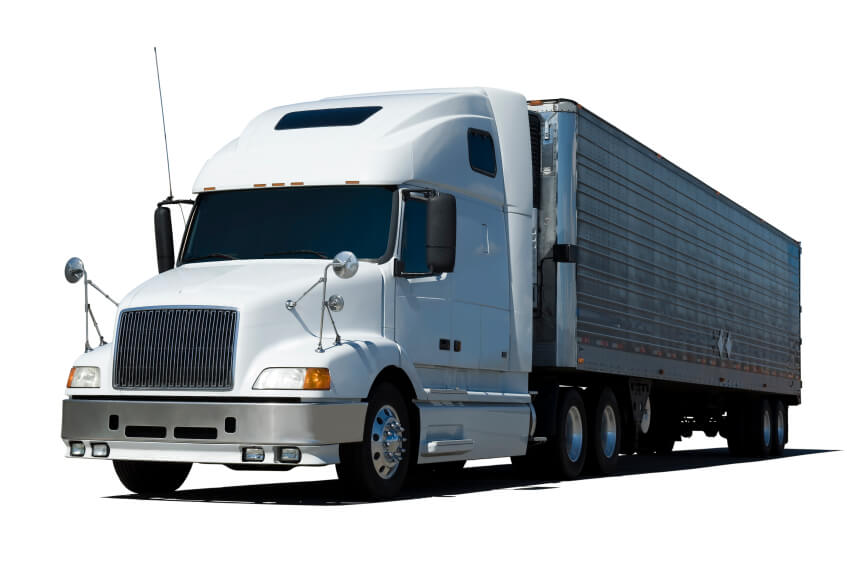

Trucking
Helpful Information About Potential Trucking Jobs
-

Landing a Job as a Trucker or Bus Driver
Once you have completed your trucking or bus driving education, it is time to find a job. However, this is easier said than done. Drivers and truckers fresh out of school may have a little difficulty finding work if they aren't prepared. If you want to be prepared so that you can find as much work as possible, read on.What do employers look for beyond just a clean driving record?
Everybody knows that employers are looking for a clean driving record. However, they also want to see that you have completed education at a respectable school. Any experience you may have is also very important in the hiring process.What are some ways to impress employers?
There are some things you can do to stand out when trying to get work. One of the best things to do is research the company thoroughly. Also, remember to dress professionally when going in for an interview.What are important things to include in your resume?
The most important things to include in your resume are your training and experience. This is fairly obvious. However, there are other important things to include. You should include your other jobs, as the employers may be looking for certain areas of experience that drivers normally don't have.Where are good places to look for driving jobs?
The best place to look for driving jobs in this day and age is the Internet. There are many jobs websites that have a lot of bus driving and trucking jobs listed. However, everybody is applying to these jobs. You may have a better chance if you use the contacts you made at your driving school to get work. If you want to learn more about search for trucking or bus driving jobs, contact our job placement department! We help all students and graduates find their next job opportunity. -

Teaching Your Kids Great Life Skills Through Trucking
Life on the road, much like other jobs, has its challenges. You'll have to balance a work schedule with parenting. However, becoming a truck driver comes with a lot of positives too. For instance, you can take the valuable lessons learned from your road experiences and share them with your kids. Lessons that apply to all areas of life.Instill a strong work ethic
When on an assignment you are expected to be reliable, committed and have a respect for time. You have to pay careful attention to detail. People depend on you. Sharing these attributes with your kids will help them to grow up to have a strong work ethic. These are qualities they’ll be able to apply to schoolwork, sports and future jobs.Teach important life skills
Kids can learn important life skills from their parents working in truck driving jobs. For instance, being on the road often brings the unexpected. You know you need to be flexible and adaptable on the job when things don't go as planned. Everyday life has its surprises and kids will need to know how to roll with the punches when it happens. You also have to show good judgment during your workday. Youngsters also need to make good decisions in school, on the playground, or in other situations as they become teenagers. You'll be teaching them the strategies needed to make good judgment calls. (Important skills to have, especially when peer pressure starts!)Pass on good lifestyle habits
As a driver, you know it's important to stay healthy and get enough rest so you have the energy for those short and long hauls. You might even have to pass a health screening. Awareness of being fit is a good quality to pass on to your kids. They'll grow up knowing how to take good care of themselves. What’s more, following a healthy lifestyle is something you can do as a family too. It can be fun! Additionally, other talents gained from truck driving jobs that you can share with your kids include good communication skills and being friendly to others. These are life skills that will take them far, and they will have learned it all from you! Interested in a career that pays the bills and teaches you valuable lessons? Enroll in our Class A CDL training program today! -

The Daily Trucking Job Routine
Updated July 2022 OTR truck drivers live on the corner of freedom and responsibility. They have the freedom to travel the highways and explore new locations on a near daily basis. They also must obey the rules of the road, listen to their dispatchers, and deliver their loads on time. There are more rules of the road for truckers than for drivers of non-commercial vehicles. These include log books, weight limits, and lane restrictions. While they have the most spectacular window views and are never confined to a stationary desk, that freedom is carefully recorded and monitored. After picking up a heavy load, truckers head off to the scales to make sure that their weight is within the correct limit and distributed properly. This is routine business. The same goes for carefully monitoring the hours you’ve spent driving and keeping your logbook up to date. These tedious chores ensure that you don’t end up sidelined when you slip through the chicken house and receive an unexpected inspection.Routine & Flexibility
The average OTR truck driver will typically travel between 80,000 to 110,000 miles per year. They end up sitting behind the wheel for around 450 miles per day. Most company drivers have little control over where their next load will take them. They may rush to hit a tight deadline and then enjoy some downtime while waiting for their turn to unload. You could say they live on the corner of Hurry Up and Wait. It is critical, though, that drivers maintain the willingness to work hard and the flexibility to handle delays and unexpected circumstances. While trucking requires flexibility in scheduling, most drivers do establish routines that provide some sense of stability. For instance, they establish favorite truck stops in every region of the country. There’s nothing like a friendly face, warm cup of coffee, and a hot shower when you’ve been on the road eating from your personal stash of snacks or at fast-food restaurants for days. These routines often center around grooming, which is critical for an OTR truck driver. They don’t have direct access to showers but need to remain presentable when representing their company at delivery points. Identifying truck stops with clean showers, laundry facilities, television rooms, and other amenities is important.Modern Trucking
Trucking life has changed considerably due to technological advancement. Drivers are no longer cut off from their loved ones or forced to talk via pay phone. They can now video chat with loved ones in their downtime. They can receive text messages, emails, and make phone calls from their trucks. This has created a more socially connected trucking world that is healthier for the OTR truck driver as well as those back home missing a truck driver. Connection and Solitude is just another corner on which many drivers now live. Interested in living the trucking lifestyle? Learn more about our Class A OTR truck driver training programs! -

The Benefits of Each Type of CDL License
EDITORS NOTE: Class B CDL training is no longer offered at ACI. Check out all of our CDL training programs offered HERE. Looking for work in the white-collar world can be tough. You need top-notch education and training, which can be very expensive and time-consuming. Perhaps you’ve thought of making a major career change. Finding a new profession can be much easier in the blue-collar world. Professions in the blue-collar world that are always in need are those requiring people with CDL licenses. People with CDL licenses drive semis, school buses, and other labor-based vehicles. While you still need specific training, you’d be able to obtain your career goal in a much shorter time frame. If you already drive a car or truck, studying for a CDL license is relatively easy to do.What is a CDL License?
A Commercial Driver’s License (CDL) serves several purposes. First and foremost, it lets prospective employers know you’re a qualified, professional driver. Drivers that hold CDL status must have good working knowledge of weight limits, vehicle size and vehicle control. Secondly, a CDL license endorses what you can drive and what weights you can tow. Endorsements for a CDL license are tested separately. There are also several categories of CDL licenses. The categories, or classes, of CDL licenses are A, B, and C. Classes A and B are broken down into commercial and non-commercial use. Class C licenses are broken down into commercial and basic use. What you can tow with the licenses is broken down into Gross Vehicle Weight Rating (GVWR). Motorcycle licenses are another form of CDL. Below is the information regarding commercial towing and driving information for the State of California:Commercial Class A CDL license holders can tow the following:
[caption id="attachment_9933" align="alignright" width="198"] Class A CDL training with full size tractor trailer combination vehicles.[/caption]
- Single vehicles with a GVWR of 10,000 lbs. (semi tractor-trailers)
- Trailer buses or more than one vehicle (tandem trailers). These types of vehicles need special endorsements.
- Any vehicles that fall under the categories of Class B and/or C.
You are able to drive vehicles that are:
- Any legal combination of the vehicles listed in Class A
- Vehicles of any type that are rated for Class B and/or C drivers
Class A CDL training with full size tractor trailer combination vehicles.[/caption]
- Single vehicles with a GVWR of 10,000 lbs. (semi tractor-trailers)
- Trailer buses or more than one vehicle (tandem trailers). These types of vehicles need special endorsements.
- Any vehicles that fall under the categories of Class B and/or C.
You are able to drive vehicles that are:
- Any legal combination of the vehicles listed in Class A
- Vehicles of any type that are rated for Class B and/or C drivers
Commercial Class B CDL license holders can tow the following:
[caption id="attachment_9942" align="alignright" width="199"] Class B CDL training for bus drivers using both commercial buses and school buses.[/caption]
- Single vehicles rated with a GVWR of 10,000 lbs. or less
- Vehicles of any type that are rated for Class C drivers
You are able to drive the following with a Class B license:
- Single vehicles with a GVWR weighing 26,000 lbs. or more
- 3-axle vehicles that weigh more than 6,000 lbs
- A bus (except a trailer bus), or any farm labor vehicle. Endorsements are needed for these particular vehicles.
- All vehicles that fall under Class C licensing
Licensing regulations change periodically. You’ll need to check your State guidelines for the most up-to-date information.
Class B CDL training for bus drivers using both commercial buses and school buses.[/caption]
- Single vehicles rated with a GVWR of 10,000 lbs. or less
- Vehicles of any type that are rated for Class C drivers
You are able to drive the following with a Class B license:
- Single vehicles with a GVWR weighing 26,000 lbs. or more
- 3-axle vehicles that weigh more than 6,000 lbs
- A bus (except a trailer bus), or any farm labor vehicle. Endorsements are needed for these particular vehicles.
- All vehicles that fall under Class C licensing
Licensing regulations change periodically. You’ll need to check your State guidelines for the most up-to-date information.
Who Can Benefit From a CDL License?
Having a CDL license opens many doors for employment opportunities for both men and women. For individuals with families at home, there are many trucking companies with regional or local jobs that get their drivers home each night. Driving and towing certain weights isn’t difficult, as long as you follow the regulations regarding log books. Finding loads is handled for you by dispatchers with your company. Semi-driving is only one of many options for you if you obtain a CDL license. There are plenty of positions driving straight trucks or buses. Bus drivers can find work for schools or tour buses. Once you’ve made the decision to obtain a CDL license, companies that you work for may have programs available in order for you to add endorsements for specific jobs. Getting endorsements for additional weight limits or job types will require a little more time, but is well worth adding to your license. Sure, working a typical 9-to-5 job has its benefits. Having a CDL license has just as many - it also offers the perk of a daily change of scenery. For more information on how you can get your Class A, call us at 1-877-649-9614 or fill out the form. We’ll answer any questions you have, and help you get your new career started today! -
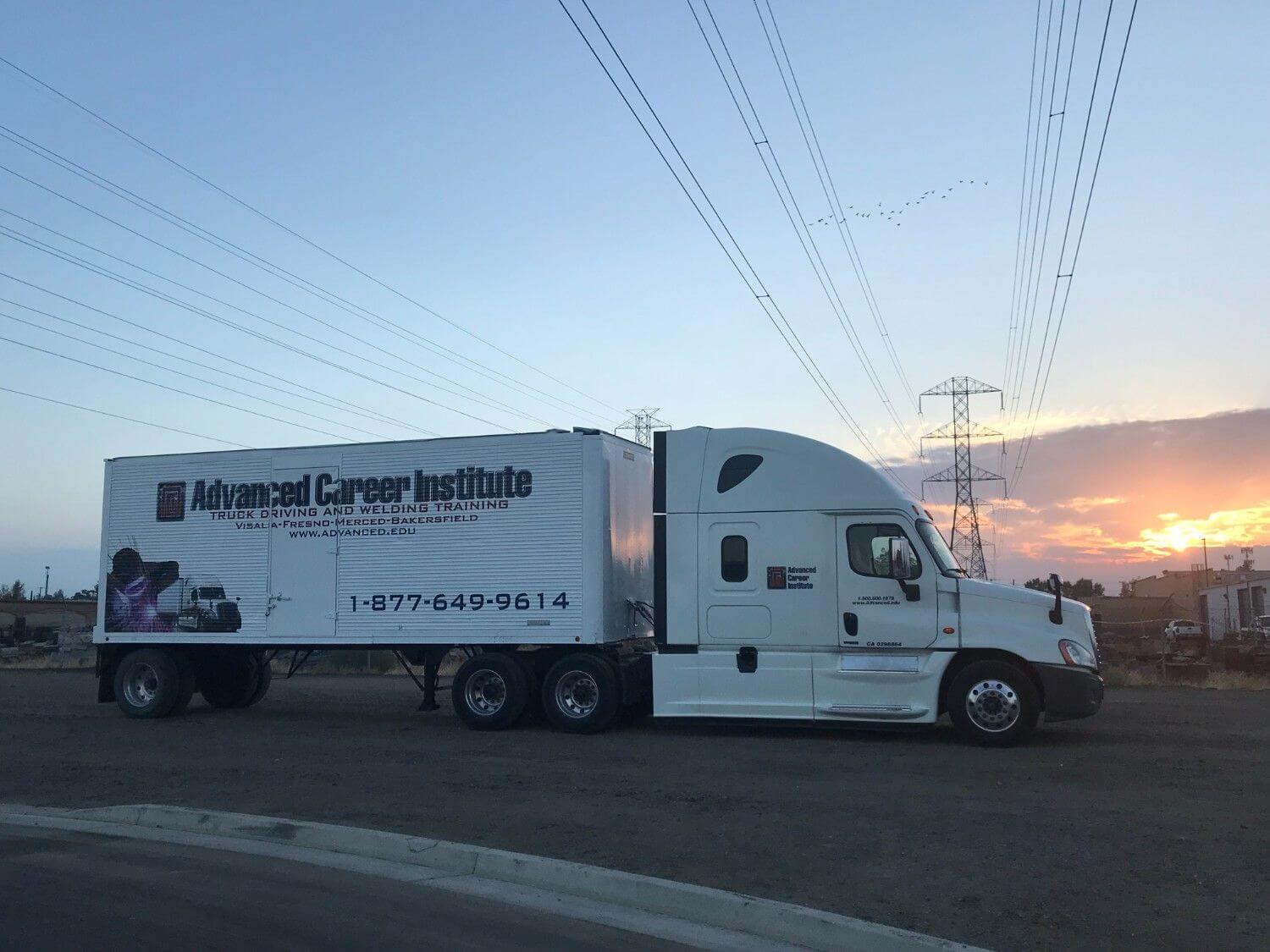
Part 1: Your Guide to Becoming a Truck Driver
The question comes up often: with automation, a changing economy, and shifting job markets, is truck driving still worth it as a career? The short answer is yes. Here is what the numbers actually show. Trucking is not just holding on in 2026. In several real ways, conditions for new drivers are getting better. Companies are working harder to hire and keep qualified drivers. Pay packages are improving. And the technology coming into modern trucks is making the job safer and easier to manage. For someone thinking about a career change or a first career, now is the best time to get in.There is Strong, Consistent Demand for Qualified Drivers
One of the best reasons to enter trucking right now is simple: the industry needs drivers, and that need is not going away. The Bureau of Labor Statistics projects about 237,600 job openings for heavy truck drivers every year through 2034. Most of those openings come from retirements and turnover. A driver who earns a CDL today is stepping into a market with a steady, documented need for qualified people. The American Trucking Associations projects a shortage of roughly 82,000 drivers by end of 2026, with that number expected to grow past 160,000 by 2031 if hiring trends do not change. A large share of those openings exist because turnover at major carriers has historically run above 90 percent per year. That is not a sign of a bad industry. It is the reason carriers have started competing harder for drivers who stay, investing in better pay, better equipment, and better working conditions to keep them.Pay Is Competitive, and Getting Better
The median pay for heavy and tractor-trailer truck drivers was $57,440 per year as of May 2024, according to the BLS. The bottom 10 percent earned less than $38,640. The top 10 percent earned more than $78,800. Most first-year drivers earn between $50,000 and $60,000 per year. That range moves up quickly with experience, clean safety records, and added endorsements. Pay is also changing in other ways. Many carriers are moving away from paying only by the mile. In 2026, more companies are building pay packages that include bonuses for safety, performance, and retention. Health coverage and retirement benefits are becoming more common too. This shift is a direct result of companies competing for qualified drivers. Drivers who earn extra endorsements, such as hazmat, tanker, or flatbed, can move into higher-paying freight. With experience and the right endorsements, over-the-road drivers at strong carriers often earn between $65,000 and $90,000 per year. Some specialized positions, typically reached after several years on the road, go above $100,000.Technology Is Improving the Job, Not Eliminating It
A lot of people thinking about trucking in 2026 want to know one thing: will self-driving trucks take this job away? The data says no, at least not soon. Research shows that heavy truck drivers have just 10 percent AI exposure. That is one of the lowest rates among all 500 job types studied. And as of 2026, no state allows fully driverless commercial trucks on all road types. What technology is doing is making the job better. Modern trucks now come with driver assistance tools that reduce fatigue and improve safety. Better cab designs make long shifts more comfortable. These tools help drivers do their job. They do not replace them. Trucking is also much more than driving. Drivers secure loads, work with warehouse staff, manage paperwork, and handle problems on the road. Those tasks need human judgment and physical skill. Current automation cannot handle the full range of situations a driver faces every day.Carriers Are Working Harder to Keep Drivers
High turnover has pushed carriers to rethink how they treat drivers. Replacing a driver costs far more than keeping one, and companies have started to act on that math. In 2026, more carriers are investing in driver well-being. That means better equipment, more predictable schedules, and clearer pay structures. Many are also making pay easier to understand, which was a long-standing frustration in the industry. For a new driver, this matters. A company that is focused on keeping drivers is more likely to support new hires, offer real onboarding, and provide a clear path to better pay over time.The Career Path Has Real Room to Grow
Trucking is not one job. It is a career with real room to grow. A driver who starts on a local route can move into regional or long-haul driving for higher pay. Extra endorsements open the door to tanker, flatbed, refrigerated, and hazmat freight, all of which pay more. Experienced drivers can also move into dispatch, training, fleet management, or run their own operation as an owner-operator. The workforce is also more diverse than most people expect. Women now make up about 14 percent of all truck drivers as of 2025. That number has been growing as more carriers actively recruit women into the profession. Veterans, career changers, and people who do not want a four-year degree are all well-represented in trucking. A CDL takes weeks to earn, not years. Financial help is available at many accredited programs, including grants, scholarships, and veterans benefits.What Does Getting Started Actually Look Like?
In California and most other states, new CDL applicants must finish Entry-Level Driver Training through an FMCSA-registered school before taking their skills test. This is a federal rule. It means the CDL earned today comes with real, documented training behind it. Most CDL programs take three to seven weeks. They include classroom instruction and time behind the wheel of a commercial vehicle. Many schools also offer job placement help after graduation, connecting new drivers with carriers that are actively hiring.Frequently Asked Questions
Will self-driving trucks take over trucking jobs soon?
No, not in the near term. As of 2026, no state allows fully driverless commercial trucks on all road types. Research also puts truck drivers among the jobs with the lowest AI exposure, at just 10 percent.Can truck drivers earn six figures?
Yes, though not right away. Experienced over-the-road drivers and those with specialized endorsements regularly earn $65,000 to $90,000 per year. Some specialized freight positions go above $100,000.Is trucking a good career without a college degree?
Yes. A Class A CDL is a vocational credential earned in weeks. It qualifies drivers for jobs with a median wage of $57,440 per year, and the career offers real room to grow through endorsements and leadership roles.Is trucking a good career for women?
Yes. About 14 percent of truck drivers are women as of 2025, and that number is growing. Many carriers actively recruit women and offer programs to support them in the field. About Advanced Career Institute Advanced Career Institute offers Class A CDL training at campus locations in Visalia, Fresno, Merced, and Las Vegas. Tuition assistance and career placement support are available. Contact ACI to learn more about enrollment and program options.Sources Referenced
- S. Bureau of Labor Statistics, Occupational Outlook Handbook: Heavy and Tractor-Trailer Truck Drivers (May 2024) — www.bls.gov/ooh/transportation-and-material-moving/heavy-and-tractor-trailer-truck-drivers.htm
- Geotab, "Truck Driver Salary: 2025 Guide to Pay by State and Job Type" — geotab.com/blog/truck-driver-salary/
- Drive My Way, "Pay Trends for 2026 That Drivers Need to Know" (February 2026) — drivemyway.com/blog/pay-trends-for-2026-that-drivers-need-to-know/
- AI Changing Work, "Will AI Replace Truck Drivers? 2026 Data" (March 2026) — work/en/blog/will-ai-replace-truck-drivers
- America 1 Logistics, "Top Priorities for Truck Drivers in 2026: Safety, Pay, and Tech" (December 2025) — america1logistics.com/post/top-priorities-for-truck-drivers-in-2026-safety-pay-and-tech
- Linxup, "Trucking Industry Statistics" (October 2025) — linxup.com/blog/trucking-industry-statistics
- TransAm Carriers, "Trucking Prospects 2026: What Lies Ahead for the Industry" (January 2026) — transamcarriers.com/trucking-prospects-2026/
- FMCSA, Entry-Level Driver Training requirements — fmcsa.dot.gov/registration/training-providers
- Peak Transport, “Truck Driver Shortage 2026: What It Really Means for Job Seekers” peaktransport.co/blog/truck-driver-shortage-2026
- CDL Schools USA, “How Much Do New Truck Drivers Actually Make in 2026?” https://cdlschoolsusa.com/blog/cdl-first-year-salary-2026-reality-check
-

Safety Starts With The Pre-Trip Inspection
The Department of Transportation (DOT) inspection is one of the most important aspects truck driving safety. Knowing your truck is safe and sound and ready for action gives you peace of mind, but also is a reassurance to everyone else on the road that your truck is fit for duty. Inspections are conducted annually and are a comprehensive look at the truck both inside and out. They are subject to the strict regulations of the Federal Motor Carrier Safety Administration (FMCSA). You can read those regulations here. All truck drivers should be interested and involved in the DOT Inspection. While the regulations state that the motor carrier is responsible for the maintenance of the truck, you should be aware that your neck is on the line if you don't pass the inspection. Do you trust the trucking company’s inspectors to find everything wrong with the truck? As the driver, no one knows the rig better than you. You'll be able to tell when there is a problem with the truck. You can tell by the feel of the truck whether the brakes are off, or many times by the sound of the truck whether there could be a problem with the motor. Be sure in the weeks and days leading up to the inspection that you are up front and vocal about any issues with the truck. Any small problem can cause issues with the inspection report. Make sure you are proactive—write down a list of issues so you don’t forget or overlook something. Remember that your truck is your livelihood. You and the truck form a symbiotic pair—two entities that rely on each other. The proper operation of the truck determines your safety and ability to make a living. If you're ready to take the next step towards a career in the truck driving industry, the right training makes all the difference. Learn how ACI can help you reach your career goals! Fill out the form you see on this page, or give us a call at 1-877-649-9614. If you'd like more information on the Training Programs available at Advanced Career Institute, please visit advanced.edu/training-programs