
Trade schools are seeing major growth over the last year. Skilled workers are doing better than their college-educated peers when it comes to jobs and pay. We have also seen a shift in the unemployment rates for people with college degrees. Trade workers had better employment rates for six months of the past year [1]. This shows how much things are changing in education and career choices.
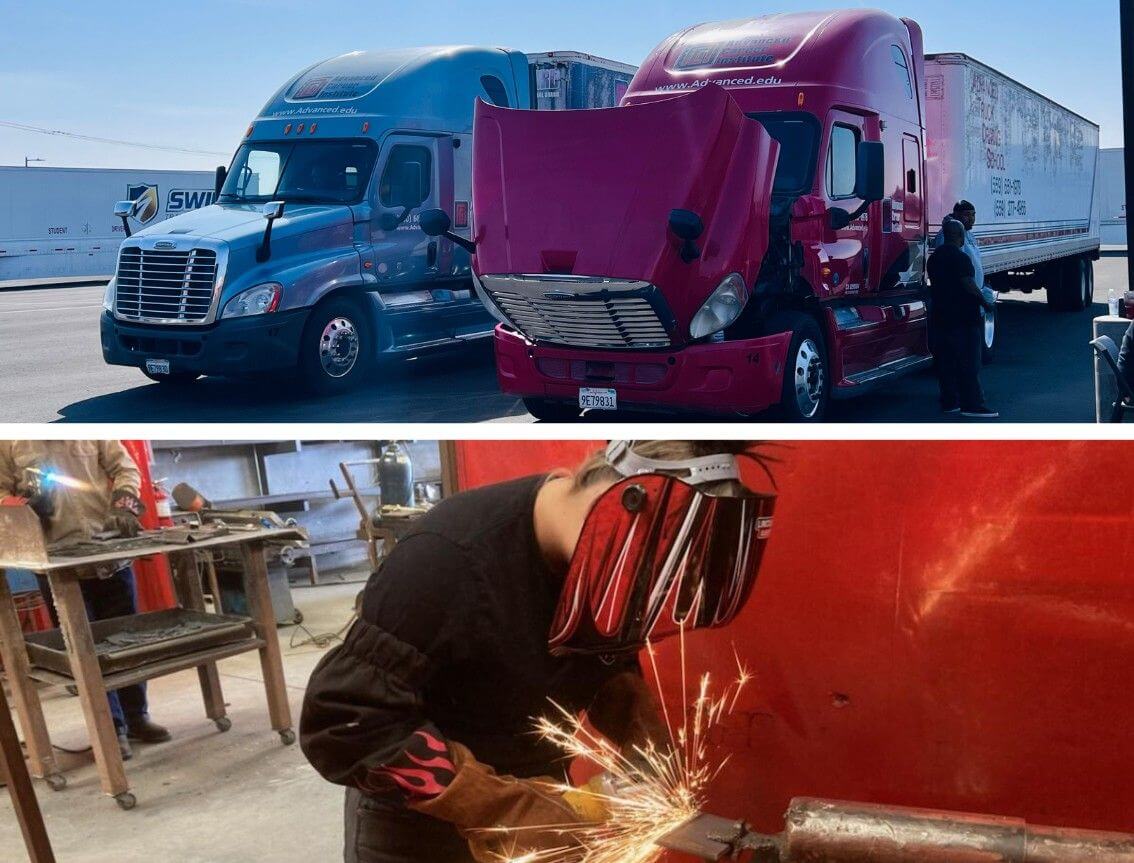
Students are asking hard questions about traditional degrees that leave them with massive amounts of student debt. Trade careers offer real alternatives that make sense financially. Trade schools are providing focused training for specific careers like welding, truck driving, and technology support. They cost much less than universities.
Trade schools across different areas are getting record numbers of applications. This includes construction and manufacturing as well as healthcare and technology programs. The National Student Clearinghouse reports that enrollment in vocational-focused community colleges went up 16% from 2022 to 2023 [2]. This shows Americans are thinking differently about education after high school.
What to Know About Trade Schools
Trade schools are revolutionizing career paths, offering faster, more affordable routes to stable employment while college costs soar and job markets shift toward skilled labor.
- Trade school graduates enter the workforce 2-3 years earlier with only $10,000 debt versus $37,000 for college graduates
- Skilled trades like truck driving, and welding offer AI-proof careers with strong job security
- Trade programs cost less money overall and take 6-24 months to complete, delivering faster ROI than traditional degrees
- Gen Z embraces trades at record rates (55% considering trade careers), while 93% of parents now support their children’s trade school decisions
What Trade Schools Are and Why They Matter Right Now
Trade schools offer a practical path compared to traditional four-year colleges. They provide focused training that gets students ready for specific careers in fields that need workers. Trade schools cut out general education requirements and focus on job skills. Students can finish their programs much faster—usually within two years.
Types of Trade Schools and Programs
Trade education covers many different industries. Programs are built around what employers actually need. Here are the main categories:
- Skilled trades: Electrician, plumbing, welding, and truck driving
- Technology: Computer information systems, IT, cybersecurity, and network management
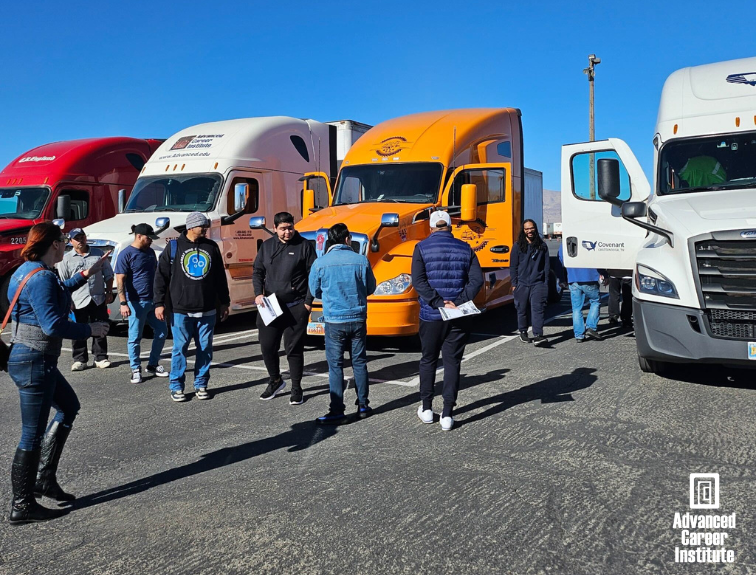
- Commercial Driving: Over-the-road, regional, and local vehicle driving
What Makes the Best Trade Schools
Good trade schools share certain things. They have proper accreditation through agencies like the Commission of the Council of Occupational Education (COE). The best programs also have solid connections with employers who hire their graduates. They share real job placement rates and keep tuition affordable—typically much less than traditional college costs.
Hands-On Learning That Works
Trade education focuses on doing, not just reading about things. Students remember about 75% of what they actually do, but only 10% of what they read [3]. Hands-on training puts students in situations that match real job sites. This lets students:
- Build the muscle memory they need for technical work
- Practice solving problems in realistic situations
- Learn safety rules before they start working
This practical approach explains why vocational programs saw enrollment jump 16% in 2023 [2]. These hands-on careers offer something valuable—job security that can’t be shipped overseas or replaced by artificial intelligence.
College vs. Trade School: The Real Money Talk
The money gap between traditional college and trade school keeps getting bigger. College costs keep going up in 2026 while trade schools stay affordable.
What College Actually Costs in 2026
College expenses hit new highs this year. Full-time students pay an average of $11,950 for public four-year in-state schools and $45,000 for private nonprofit colleges [4]. Even with financial aid helping some students, most graduate with heavy debt loads. Federal student loan debt averages over $37,000 per borrower [9]. This creates a financial burden that stays with graduates for years. First-time, full-time students borrow more than $7,700 each year just to keep going to school [6].
Trade School Costs and How Long Programs Take
Trade school offers a different path that costs less. The average trade school program runs about $15,000 total [5]. Most vocational certificates cost between $5,000-$15,000 [6]. Trade programs take 6-24 months to finish [7]. Students get to work years before college graduates. Trade school students who take out loans graduate with around $10,000 in debt. That’s about one-fourth of what bachelor’s degree holders owe [8].
Who Makes More Money and When
College graduates usually earn more over their whole careers. But it takes years for this advantage to show up because:
- Trade professionals start working 2-3 years earlier
- They have much less debt ($10,000 vs. $37,000)
- Starting salaries in skilled trades compete well with college jobs
Welders make an average of $58,422 each year [14]. The Washington Post reports that skilled trades workers now have better job security and wage growth than before. This comes from worker shortages in these fields. When you look at true return on investment, many trade careers deliver results that match or beat typical bachelor’s degrees.
Job Security and Growth in Skilled Trades
Skilled trades face a serious worker shortage that keeps getting worse. According to the Bureau of Labor Statistics, the construction industry alone needs about 457,300 new workers to keep up with demand.
Trades Are in High Demand
The skilled trades shortage comes from an aging workforce. More people retire than enter these fields. Data shows about five experienced tradespeople retire for every two new workers who start [10]. This gap means strong job security for people with technical skills.
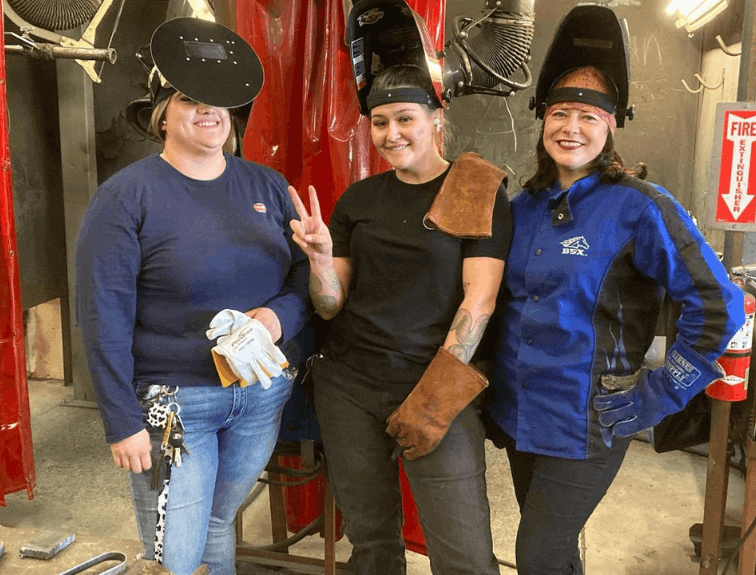
Careers That AI Can’t Touch: Welding
Most digital jobs worry about automation, but skilled trades stay protected. Electricians, Plumbers, HVAC technicians and Welders, all of which are jobs protected from A.I., can expect thousands of new positions by 2030.
These jobs need complex problem-solving in unpredictable situations. AI cannot do this type of work. A Washington Post report explains it well – these hands-on jobs offer something valuable. They cannot be outsourced or replaced by technology easily.
Apprenticeships and Employer Training Programs
Apprenticeship programs mix paid on-the-job training with classroom learning [10]. People earn good wages from day one and get regular pay increases. Many apprenticeships work with community college courses. This creates another path to education that helps career growth.
People Are Changing Their Minds About Trade Careers
People think differently about blue-collar work than they used to. Skilled trades used to carry negative feelings for many families. Now these careers are seen as solid choices for economic stability.
Gen Z Gets It
Gen Z has jumped into trades like no generation before them. 55% are considering trade careers—that’s up 12% from last year [11]. People call them the “toolbelt generation”. These young adults see that good-paying jobs are available with a high school diploma plus some additional training. Social media helped change their minds. About 67% say platforms like TikTok made them more aware of trade opportunities [11]. Gen Z women are almost as interested as men now. 52% of women versus 57% of men are looking at trade careers [11].
Parents Are Coming Around
Parents have changed their thinking too. 35% now believe career and technical education works best for their kids. That’s a big jump from just 13% in 2019 [12]. 93% would support their child going into trades [13].
Conclusion
Trade schools have become real alternatives to traditional college education. The numbers support skilled trades workers who now have lower unemployment rates, less debt, and competitive wages.
Trade schools are not just backup plans anymore. They’re smart choices for Americans who want financial stability without heavy debt. Students thinking about their future should consider these facts when making decisions. Success looks different for everyone. For more Americans today, that success comes with practical skills and stable careers rather than college degrees.
References
[1] – https://www.washingtonpost.com/business/2026/01/31/labor-market-gap-trade-workers-white-collar/
[2] – https://www.building-products.com/more-young-adults-choosing-trades-over-college/
[3] – https://www.gwgci.org/hands-on-learning-vs-traditional-education-trades/
[4] – https://research.collegeboard.org/trends/college-pricing/highlights
[5] – https://www.studentloanplanner.com/student-loan-debt-statistics-average-student-loan-debt/
[6] – https://nces.ed.gov/programs/coe/indicator/cub
[7] – https://www.bestcolleges.com/research/how-much-does-trade-school-cost/
[8] – https://www.edvisors.com/plan-for-college/careers/how-much-does-trade-school-cost/
[9] – https://freopp.org/whitepapers/does-college-pay-off-a-comprehensive-return-on-investment-analysis/
[10] – https://ptt.edu/rising-job-growth-in-skilled-trades-what-you-need-to-know/