
Women have driven trucks for more than 100 years. A few early pioneers broke into a field built around men, and their work made the road easier for the women who followed. Today, women make up about 9.5 percent of CDL drivers at the companies surveyed in the latest Women In Trucking Index.
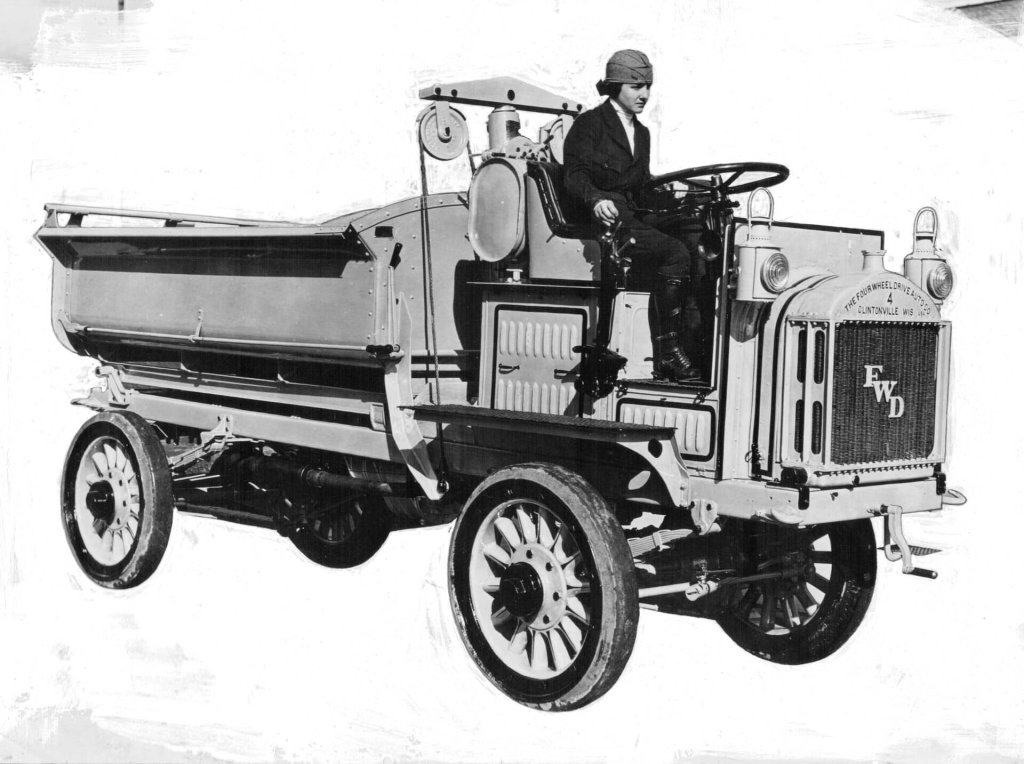
Photo source: Four Wheel Drive Museum
Luella Bates (1897-1985)
During World War I, the Four Wheel Drive Auto Company in Clintonville, Wisconsin, hired about 150 women to fill jobs left open by men who went to war. Luella Bates became a test driver in 1918. After the war, when most of the women were let go, she stayed on as a demonstration driver until 1922. In 1920, she became the first woman truck driver to receive a driver’s license in New York. Bates was also a skilled mechanic who could handle the upkeep on her own truck.
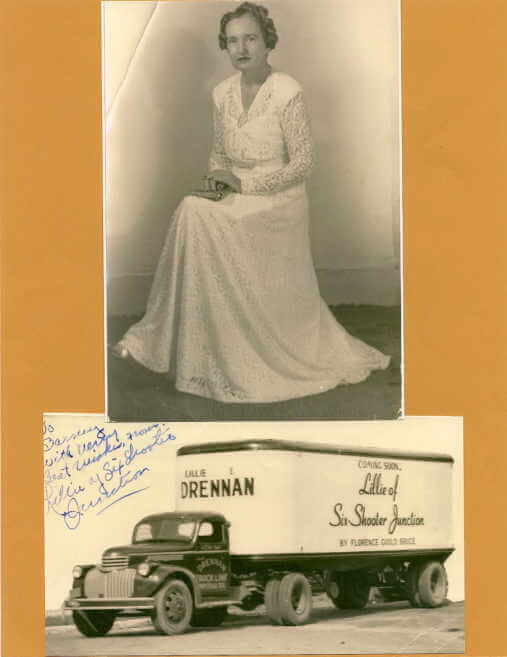
Photo source: Texas State Historical Association
Lillie Drennan (1897-1974)
In 1928, Lillie Drennan and her husband started the Drennan Truck Line in Hempstead, Texas. The company hauled oilfield equipment, explosives and general freight through East Texas. In 1929, Drennan became the first woman to earn a commercial truck driver’s license in Texas, and she is widely credited as the first woman to own a trucking company in the U.S.
Drennan did all of this after losing most of her hearing to scarlet fever. She trained every driver she hired and earned safety awards from the Texas Railroad Commission and the Texas Motor Transportation Association.
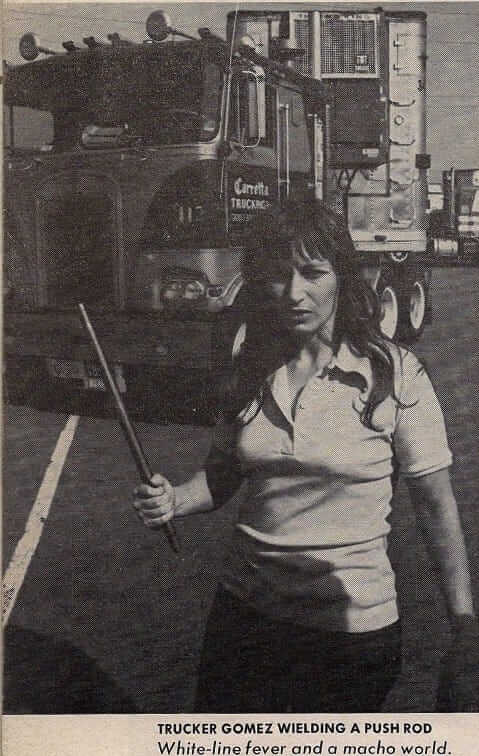
Photo source: Susie Bright’s Journal
Adriesue “Bitsy” Gomez (1943-2015)
Bitsy Gomez started driving trucks as a divorced mother of three who needed steady work. She found an industry where some loading docks still posted “MEN ONLY” signs and many truck stops would not let women use the showers. In the mid-1970s, she founded the Coalition of Women Truck Drivers, a 150-member group that grew out of the Los Angeles chapter of the National Organization for Women. The coalition pushed for restroom access, fair hiring and protection from harassment. TIME magazine profiled her work in 1976.
How Trucking Has Changed for Women Truck Drivers
Women truck drivers today have more support than the pioneers did. Several changes stand out:
- Trucks built for more drivers. In 2015, Ryder worked with truck makers and Women In Trucking to release a truck package with 15 design changes. These included adjustable seatbelt straps, better gauge placement, lower grab handles and easier access to oil and coolant checks.
- Support networks. Ellen Voie founded the Women In Trucking Association in 2007 to support women in the industry. Groups like REAL Women in Trucking also connect drivers with each other and with job leads.
- Women in leadership. Women now hold about 31 percent of executive roles at the companies in the latest Women In Trucking Index. That means more new drivers work for companies with women in charge.
- Plans to recruit and keep women. A 2024 study by the American Transportation Research Institute (ATRI) gave carriers and training schools specific steps for bringing in more women drivers, including mentorship programs.
Challenges Women Still Face
Trucking is not free of problems. The same 2024 ATRI study named the biggest barriers for women: the industry’s image, finishing training school, truck parking shortages, restroom access, harassment and discrimination, and personal safety. Time away from home and child care were also concerns.
Experienced drivers manage these challenges in a few practical ways:
- Safety on the road. Many drivers park in busy, well-lit areas at night and keep doors locked and windows up unless they know who is outside.
- Problems at work. Women may still face criticism from coworkers or dock staff. Support groups and mentors give drivers a place to talk through these situations.
- Time with family. Video calls and regular texts help drivers stay connected. Women who want to be home every night can look for local driving jobs.
Why Women Earn a CDL
The ATRI study found that income potential draws many women to trucking. Pay parity between men and women is more common in trucking than in many other fields. Women in the study also named independence, job security and the fact that no college degree is required. Learn more about how pay works for female truck drivers.
Start a Trucking Career at ACI
Advanced Career Institute offers Class A CDL training in 4-week and 6-week programs at its Fresno, Visalia, Merced and Las Vegas campuses. Women exploring trucking, welding and other trades can find other stories like these on the Women in Trades page. To ask questions or get started, request program information.