Trucking

Helpful Information About Potential Trucking Jobs

  • image of cloudy sky, a silhouetted truck driving on road

    CDL Related Jobs that aren't Over the Road

    Many people begin pursuing a Commercial Driver’s License with the intent of becoming over-the-road truck drivers. Why not? It’s a common profession that is in high demand. There are plenty of jobs available! However, it’s not the only show in town. There are also non-trucking jobs you can get with a CDL. A CDL is a surprisingly versatile document, and while driving is almost always on the docket if you are getting a CDL, driving a big rig is far from the only occupation you can hope to pursue. Indeed, there are many vehicles you can operate and an equal number of potential employers who will look at hiring you if you depend on your level of experience. These jobs can each bring their nuances that offer commercial drivers a surprising level of diversity to their daily work experience.

    Highway Maintenance Technician:

    Highway construction and repair projects often require the use of large vehicles, which means people are needed to drive those vehicles. Everything from dump trucks and skid steers to concrete mixers and paint trucks are used for highway maintenance, so if you want this job, you’d better put your work boots on. Often a Class B CDL is the minimum requirement for this position.

    Engineering Equipment Operator:

    As an Engineering Equipment Operator, you will operate a variety of heavy machinery, including dump trucks and trash compactors, and will help prepare the terrain for upcoming construction projects. Depending on where in the country you are working and the geographical structures around you, and the nature of the business that employs you, you can work in any number of environments up to and including bodies of water.

    Construction Equipment Operator:

    Few fields have as diverse a set of big vehicles as the construction industry. Skid steers, dump trucks, knuckle boom loaders, track hoes, loaders, flatbeds, bush hogs, cranes, and steamrollers. You name it, the construction guys use it. All of them require an operator who possesses a CDL.

    Tractor Trailer Technician:

    While not required in most states, having a CDL is a big plus for most tractor-trailer technicians. It stands to reason that it is better to be qualified to drive a vehicle you are working on. Tractor-trailer technicians don’t haul loads with their trucks, but they certainly are good at fixing them. Maintaining fleets of trucks is a big job that is usually performed by a team of semi-truck techs, and is a vital part of the trucking industry.

    Terminal Manager:

    Another job that doesn’t require most workers to have a CDL, but it greatly helps, is a Terminal Manager. Terminal Managers are the field managers of a trucking company and are responsible for organizing, planning, and implementing transportation solutions. In other words, they manage trucking company workloads.

    Delivery Driver:

    Delivery drivers don’t have the prodigious time on the road that perhaps an over-the-road hauler does, but the two occupations are close cousins. Businesses as diverse as furniture companies and medical equipment suppliers often provide delivery services and often employ workers with commercial driver’s licenses. Interested in one of these non-trucking jobs you can get with a CDL? Advanced Career Institute can help you start your career in trucking. Check out our programs and the opportunities available to you.

  • Image of agriculture farm machinery in a field with blue skies and wind turbines in background

    The Importance of Ag Transportation

    In celebration of National Ag Day on March 20th, let's give a nod of appreciation to the Ag Transporters who do the hard work within the industry. If you are curious about the job and considering joining the ranks, you should definitely ask these three important questions...

    What is Ag Transportation?

    Ag Transportation is the community of men and women who drive the country's farm-fresh food from where it's grown to wherever it needs to go. Advanced Career Institute's training will give you all the skills needed to learn the basics of truck driving. Students will also learn how to transport the important agricultural products grown in California.

    What is the importance of Ag Transportation?

    Truck drivers transport around 500 million tons of grain produced in the US every single year. California's farms and ranches produce over one-third of those vegetables and two-thirds of the fruits and nuts for this country. The most efficient system for transporting these fresh and healthy goods are the highways and truck drivers of the state. Goods often need to be transported more than once before they reach their final destination. Those that do these important jobs of ensuring the quality and safe delivery of these products are Ag Transporters.

    What are the benefits of being an Ag Transporter?

    The benefits of being an Ag Transporter are vast. Ag Transporters are the first point of contact for receiving and transporting the agricultural products and livestock vital to the food industry. All you need to qualify is a high school diploma and the CDL Certification we provided with our 20-week Ag Transportation training. It's also important to consider that the current future outlook for work as a truck driver is extremely promising. As a Ag Transporter, you will have several job opportunities with competitive pay and great benefits. Are you interested in joining the Ag Transportation field? Advanced Career Institute can help you get started! Contact us today to learn more about our training options and the opportunities available for you.
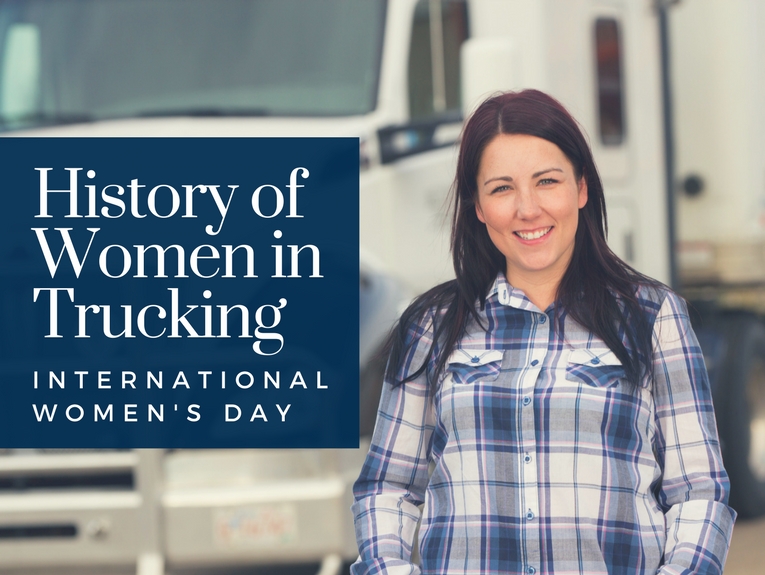
  • image of woman standing in front of white semi-truck, text in a blue box to the left reads "History of Women in Trucking International Women's Day"

    Women are Making Their Mark in Trucking

    Updated with the most recent information March 2020 In honor of International Women's Day on March 8th, Advanced Career Institute would like to acknowledge the hard work and pioneering spirit of some of the trucking industry's most notable women. These bold and determined ladies paved the way for those to come, transforming the entire industry in the process. Women still only make up around 5% of the trucking workforce, but that number is steadily climbing as more women rise to the challenge and earn their Commercial Driver's License (CDL).

    Trailblazing Women

    Luella Bates (1897-1985) was the pioneer who first showed the world what women could do behind the wheel. During WWII, she stepped into a traditionally male job to fill the vacancies left by the war. Luella was such an excellent truck driver that she stayed on after the war ended, outperforming her male counterparts. Next came Lillie Drennan (1897-1974), with her 10-gallon hat and loaded revolver, she was quite an intimidating figure. She became the first licensed female truck driver, and the first woman to own her own fleet. Lillie was also a staunch advocate for gender and racial equality. She personally hired and trained her diverse and exceptionally safe workforce. Adriesue "Bitsy" Gomez (1943-2015) followed in their footsteps. Bitsy formed the Coalition of Women Truck Drivers to combat the pervasive sexism in trucking culture. Through victories in the courts and successful public relations campaigns, Bitsy helped break-down the barriers that were keeping women out of trucking.

    How Has Trucking Changed for Women

    • Recruiting more women – Trucking companies are making big changes to attract female drivers. Carriers are offering more practice time in truck driving simulators, female driver liaisons, internal support groups, and classes on sexual harassment awareness and self-defense.
    • Support Networks – Organizations such as Women In Trucking and REAL Women in Trucking, Inc provide support, job listings, and the opportunity to connect with other female truck drivers.
    • Female-friendly trucks – Ryder System Inc. has redesigned their cabs to be more ergonomic or women, with adjusted seat height and more accessible placement of handles and gauges.

    Some Challenges for Women in Trucking

    • Safety challenges: Pay extra attention to where you’re stopping and walking at night, whether at truck stops or in remote areas. Don’t roll down your window for anyone other than police or someone you know. Focus on safe driving and your employers will value you for keeping yourself, along with their equipment and loads, safe.
    • Interpersonal issues: Women may face criticism from co-workers or loading dock personnel. Don’t be daunted by bad attitudes. Let respect received equal respect given. Ignore disrespect and laser-focus on the work, and your job at hand–and don’t let others blow your cool.
    • Staying connected to family and friends: Staying in touch is easier with today’s tech. Use Skype or Facetime to have video chats at stops. Send regular text updates (which help with safety concerns, too). Schedule time at home for work/life balance.

    Why Women Should Obtain a CDL

    Thanks to women like Luella, Lillie, and Bitsy, the trucking industry now welcomes female drivers. Young women just entering the workforce, or those who find themselves job-searching after a lifestyle change (such as divorce, empty nest, or job loss), may consider trucking as a possibility. Forward-thinking companies recognize this trend and are doing more to recruit and retain female truckers. Truck manufacturers are redesigning cabs and other equipment to accommodate the typically smaller frames of women, leading to greater comfort and less risk of injury. Women in trucking also have a strong support network, meaning they no longer have to face obstacles and hardships alone. Now is the perfect time for women to take charge and get behind the wheel. It takes a lot of grit and toughness to succeed as a commercial truck driver, but thanks to the bold female drivers of the past, we know women can do it just as well as men can. Are you ready to earn your CDL? Advanced Career Institute is ready to help make that happen!
  • image of jar full of coins

    Keeping Finances Organized While on the Road

    Updated October 2022 Managing finances can seem overwhelming when you are away from home. Staying organized does not have to be a source of additional stress. There are several ways to manage your money better while still on the move. Here are a few tips to start the New Year off strong by staying organized with your finances.

    Make a List

    In order to manage money well, you have to know how much is coming in versus how much is going out. Take the time to create a list that includes the date each bill is due, the date deposits are made, and any expenses for food, clothing, or other necessities.

    Bank Better

    Not all banks are created equal, and for that reason, it is important to do research and choose one that meets your individual needs. Choose a bank or a credit union that offers free checking services, low or refunded ATM fees, and mobile banking options so you can track and manage your account from anywhere. A good bank should also have no minimum balance requirements or limit the number of transactions you can make. Since you will likely be away from home, banks with a great Mobile App will be especially beneficial.

    Consolidate

    If you have multiple checking, savings, or credit card accounts, now is the time to consider consolidating. Having multiple accounts only makes it harder to keep track of what you owe, when it was paid, and through which account. As a bonus, this can also save you money. You can choose to keep the accounts with the lowest fees and interest rates.

    Take Advantage of Technology

    Free apps, like Mint and Rocket Money, are available and make staying organized a breeze. You can keep all of your financial information in one place and can access it from your mobile device. Not only can you pay bills through these apps, but also get notifications and reminders for any bill that is not set up on auto-pay. These apps can also help you set up a monthly budget and give you an analysis of your spending trends, so you can see where to save money. They can also be a great place to organize all of your different subscriptions. Taking the time to manage your money better is a great resolution. Knowing you are organized will give you that peace of mind while on the road. It might just save you some money as well!
    At Advanced Career Institute, we are proud to offer training in the transportation and welding industry. If you're ready to make a career change, contact us for more more information!
  • image of Worknet logo with text at the bottom that reads "12 initial scholarships being offered at Advanced Career Institute in Merced"

    Advanced Career Institute Teams Up with Werner Enterprises

    Advanced Career Institute, Central Valley’s largest and only nationally accredited truck driver training program, will be doing a special Class A CDL training program for some lucky residents of Merced County in California.  There are 12 initial Scholarships available for a 4-week program to qualified residents. “Here in the Merced area, there are a lot of people looking for a better paying and long-term career.  So, we thought it would be a great idea to introduce the folks at Werner Enterprises to Worknet.  Werner has great paying jobs.  And Worknet has people that are looking for a new and different opportunity”, said Everett Yockey, ACI Merced Campus Director. WHAT CAN YOU EARN? New truck drivers with their Class A CDL at Werner Enterprises can earn up to $48,000 the first year.  In your 2nd year, you can expect to earn $55,000 - $65,000 as an experienced driver!  So, Advanced Career Institute in Merced created an accelerated, local CDL truck driver training program for individuals to help make this happen.  ACI gets you trained and ready to start work for Werner in just 4 weeks.  “This is a really a great program!  We are helping people get the training they need to be successful in the trucking industry.  Worknet and Werner Enterprises are teaming up to offer an incredible scholarship program to help cover the costs for the student”, said ACI President, David Bither.  You will leave ACI prepared to take your DMV Permit Test because you will be receiving 160 hours of truck driver training. This new program is currently being taught at the ACI Merced Campus and spots are going fast.  Learn more about this CDL Training Scholarship program by contacting our Merced campus today at 1 (209) 437-3767.  The Admissions Staff will help get you started and review all the details with you.
  • image of empty road, a thin layer of snow on the ground, taken from a low angle

    Tips to Keep Truck Drivers Safe During the Winter

    When winter weather arrives, it presents a big challenge for professional truck drivers. Here are some winter driving tips that will help keep drivers safe and warm.

    1. Carry proper supplies

    Truck drivers should make sure they have cold weather essentials on hand. These include:
    • extra clothing layers
    • gloves
    • flashlight
    • rain gear
    • windshield fluid
    • blankets
    • bag of sand or salt
    • tire chains
    • jumper cables
    • snow scrapers and brushes

    2. Slow Down

    The slower you drive, the more time you have to react. Hydroplaning is also caused by going to fast. Avoid winter accidents by watching your speed.

    3. Keep A Firm Grip On The Wheel

    Grip the steering wheel firmly to maintain control. Keep both hands on the wheel at all times to guide the vehicle through snow and ice.

    4. Allow Safe Space

    In the winter, truck drivers should increase their following distance. Be sure you have more than enough space to stop and maneuver in unexpected traffic situations.

    5. Watch Out For Bridges

    Bridges, highway overpasses, and other elevated surfaces freeze faster than the regular road. They also may not be salted. Use caution when approaching bridges to avoid spinning out of control on black ice.

    6. Avoid Black Ice

    Black Ice is not just found on bridges. It is a layer of transparent ice that makes the road look wet. Drivers can spot black ice when the spray from other vehicles stops. You can also watch for frost on your truck antennae and mirrors.

    7. Brake Slowly

    In winter, accelerate and brake slowly. If the truck is not equipped with an ABS braking system, lightly pump the brakes when you need to slow down. Always remember, a good truck driver shuts down when there is too much ice, snow, or driving winds. If you're looking for a new career as a Class A CDL truck driver, get professional truck driver training at Advanced Career Institute. Contact us today to get details about Veterans assistance and other financial assistance that are available to those who qualify.
X