

Welding
Helpful Information About Potential Welding Careers
-
A look at current pay, hiring trends, and top-paying jobs in California
Key Takeaways California's welding labor market in 2026 combines strong demand, above-average pay, and multiple training pathways. Here are the core points for anyone weighing this career.- California employs about 26,060 welders. Their median wage is $58,060 a year, about 8% above the national median of $53,750, according to the latest BLS data (May 2025).
- A wave of retirements is opening 40,300 jobs each year across the country. The average welder is 56 years old, and most welders retire around age 57, per AWS workforce data.
- Experience and specialty training raise pay by a lot. Welder IV workers earn close to $80,000 a year. Welding Inspectors and Engineers can earn $90,000 to $110,000.
- Aerospace, high-speed rail, and renewable energy are the top hiring fields in California. All three pay above-average wages and offer long-term work.
- Industry and specialization matter as much as experience. Pay can swing by up to 65% between the highest- and lowest-paying fields, and certified inspectors and engineers can earn $90,000 to $110,000.
How Many Welding Jobs Are There in California in 2026?
"Really, what's being said is we don't need just more skilled workers. We need an army of skilled workers to do what's coming." — Brian Huff, Owner and CEO, Midwest Technical Institute
California's welding workforce is bigger than most people think. The 2026 data backs this up. The state ranks among the top employers of welders in the country, and that has not changed.National Welding Employment and the Retirement Wave
The United States employs about 416,210 welders, cutters, solderers, and brazers, according to the latest BLS data from May 2025 [1]. The wider welding workforce, which includes related jobs, reached about 771,000 people as of 2025, per the American Welding Society [2]. A wave of retirements is pushing demand higher. The average welder in the U.S. is 56 years old, and most welders retire around age 57. That gap, combined with high schools cutting welding programs over the years, has created a shortage.California's Share of the Welding Workforce
California employs about 26,060 welders, one of the largest welding markets in the country, behind Texas [1]. The Los Angeles-Long Beach-Anaheim metro area reports a median welder wage of $56,160 a year [1].Why Annual Openings Outpace the Slow Growth Rate
The BLS expects welding jobs to grow just 2% from 2025 to 2035, which is slower than average [3]. But that number alone does not tell the full story. About 40,300 welding jobs open up each year, mostly from retirements and workers leaving the field [3]. The AWS projects 320,500 total openings in the years ahead [2]. Job counts are only part of the story. Pay matters just as much.What Do Welders Earn in California Compared to the National Average?
Pay is one of the most useful things to know before choosing this career. The gap between national wages and California's numbers is big enough to change how someone weighs this path.National Median Salary vs. California Salary by Metro Area
The national median salary for welders is $53,750 a year, based on the latest BLS data from May 2025 [1]. California's median annual wage is $58,060, about 8% above the national figure [1]. U.S. News reported a 2024 median of $51,000, which shows how fast pay has climbed in just one year [4]. Welders in the San Francisco-Oakland-Fremont metro area earn a median of $64,320 a year. Welders in the Los Angeles area earn a median of $56,160 [1].Salary by Experience Level: Welder I Through Welder IV
Experience raises pay by a lot in California, according to August 2026 estimates. Top earners at the Welder II level make $72,866 a year [5]. Welder IV workers earn a fair amount more.Level Experience Avg. Annual Salary Welder I 0-1 years $49,998 Welder II 1-3 years $61,839 Welder III 3-5 years $69,756 Welder IV 5-7 years $79,567 How Specializations Affect Pay
The industry a welder works, as well as the welding certifications they earn, in can change pay by as much as 65% between the highest- and lowest-paying fields [6]. Aerospace and defense, energy and utilities, and software and networking companies pay 10% to 20% above average [5]. Certified Welding Inspectors (CWI) earn $70,000 to $90,000 a year, and senior inspectors in aerospace or oil and gas can earn more than $95,000 [7]. Senior welding engineers earn $110,000 or more [8].California Cost of Living and What Higher Wages Actually Mean
California's higher wages need to be weighed against its cost of living. A Welder I earning $49,998 in California takes home about the same as a Welder I in Washington, D.C., who earns $50,188 [6]. Anyone weighing this career should compare regional pay to local housing and transportation costs. This matters most in the Central Valley, where living costs are lower than coastal cities but welding jobs stay strong. Certain California industries pay welders more than the average numbers suggest. The industry matters as much as the paycheck itself.Which California Industries Are Hiring Welders in 2026?
California's economy covers many industries, and that mix is one reason welder demand here looks different from most other states.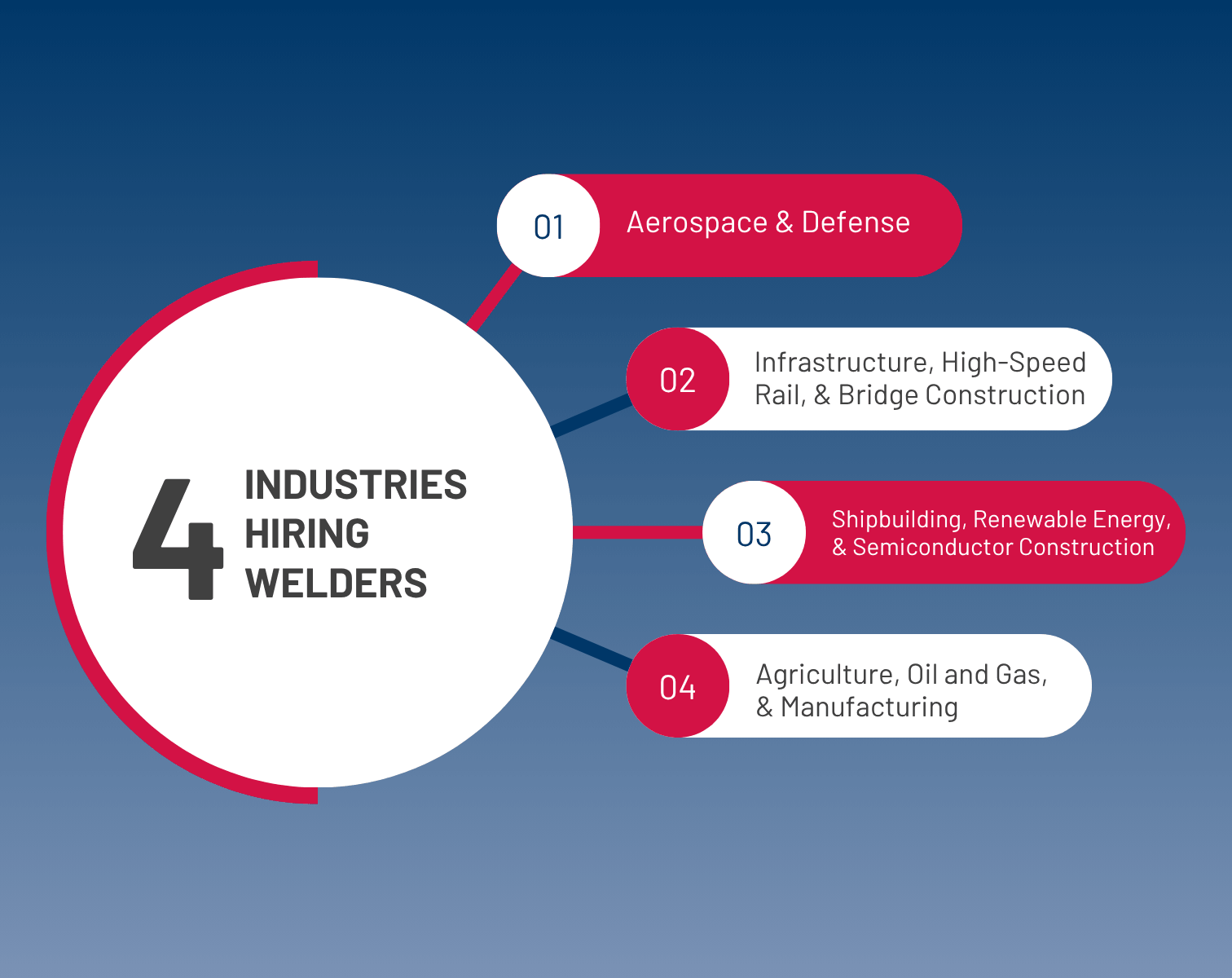
Aerospace and Defense in Southern California
Fabrication shops in Southern California look for welders skilled in GMAW (MIG) and GTAW (TIG) welding. They work with steel, stainless steel, aluminum, and titanium. Many of these jobs require International Traffic in Arms Regulations (ITAR) compliance and experience with aerospace processes [9]. Aerospace and defense jobs pay about 10% above the average welder wage [5].Infrastructure, High-Speed Rail, and Bridge Construction
California's high-speed rail project has created more than 19,000 jobs in the Central Valley. It keeps demand steady for steel workers, iron workers, and welders [10]. The City of Long Beach, for example, is hiring pipeline welders at $36.08 to $49.03 an hour, and the job requires special certifications [11].Shipbuilding, Renewable Energy, and Semiconductor Construction
Port operations along California's coast keep demand steady for structural and pipe welders. Renewable energy projects and new semiconductor factories are creating welding jobs that few other states can match.Agriculture, Oil and Gas, and Manufacturing in the Central Valley
The Central Valley includes Fresno, Visalia, and Bakersfield. It mixes agriculture, oil and gas, and manufacturing into one regional economy, and welding skills cross all three industries here. That mix keeps demand steady across sectors rather than tied to any single employer type.How 2026 Tariffs Affect California Welding Shops
New tariffs on steel and aluminum in 2026 are changing material costs for fabrication shops across the state. Welders and shop owners should plan for these added costs, especially on fixed-price contracts. Knowing which industries are hiring helps explain not just where the jobs are, but where the better pay is. That difference becomes even clearer when looking at how pay grows over the course of a welder's career.Career Growth and Specialization Options for California Welders
A welding certificate qualifies graduates for entry-level jobs. Specialty skills are what separate entry-level pay from the top of the pay scale.Entry-Level to Senior Welder
The jump from Welder I at $49,998 to Welder IV at $79,567 is a 59% pay increase over about 5 to 7 years [6]. Certifications and specialty training speed up that jump.High-Paying Paths
Welding Inspectors (CWI) start at $50,000 to $65,000, and experienced inspectors can earn $90,000 or more [7]. Welding Engineers start at $65,000 to $80,000, and senior roles reach $110,000 or higher [8]. Robotic welding is a growing field as more manufacturers automate their production lines. The ceiling for welding careers is higher than most people expect, and the pay data backs it up at every stage, from entry-level shop work to inspection, engineering, and ownership. For welders in California weighing where to start, Advanced Career Institute's welding program is worth a look, with campuses in Visalia, Fresno, and Bakersfield.FAQs
Does welding pay well in California?
Yes. California's median annual wage for welders is $58,060, about 8% above the national median of $53,750. Pay climbs fast with experience, reaching $79,567 for Welder IV and $70,000 to $90,000 for Certified Welding Inspectors.Is welding growing or declining?
Welding jobs are projected to grow just 2% from 2025 to 2035, but about 40,300 openings appear each year nationally due to retirements. Demand stays strong even though the growth rate looks modest.Why are there thousands of welding job openings each year if job growth is only 2%?
Most of those openings come from retirements, not new positions. The average welder is 56 years old, and about 40,300 jobs open up nationally each year as the current workforce ages out.How long does it take to go from entry-level to top pay as a welder in California?
Most welders move from Welder I to Welder IV in about 5 to 7 years, a jump from $49,998 to $79,567. Certifications and specialty training can speed that timeline up.Does the industry a welder works in change how much they can earn?
Yes. Pay can swing by up to 65% between the highest- and lowest-paying industries, with aerospace, defense, and infrastructure work paying well above average.What career paths lead to the highest welding salaries?
Certified Welding Inspectors earn $70,000 to $90,000, senior welding engineers earn $110,000 or more, and some welders open their own fabrication shops. Business ownership and technical specialization pay the most over time. References[1] – https://www.bls.gov/oes/current/oes514121.htm
[2] – https://weldingworkforcedata.com/
[3] – https://www.bls.gov/ooh/production/welders-cutters-solderers-and-brazers.htm
[4] – https://careers.usnews.com/best-jobs/welder/salary
[5] – https://www.salary.com/research/salary/benchmark/welder-ii-salary/ca
[6] – https://www.salary.com/research/salary/benchmark/welder-i-salary/ca
[7] – https://www.aws.org/career-resources/career-paths-in-welding/welding-inspector/
[8] – https://www.aws.org/career-resources/career-paths-in-welding/welding-engineer/
[9] – https://www.indeed.com/q-aerospace-welding-l-orange-county,-ca-jobs.html
[10] – https://hsr.ca.gov/work-with-us/jobs/
[11] – https://www.governmentjobs.com/careers/longbeach/jobs/5378854/pipeline-welder-layout-fitter
-
A Beginner’s Fast-Track Guide
The U.S. job market needs more new welders, cutters, solderers, and brazers annually. Welding certifications open doors to stable careers with solid earning potential. According the Bureau of Labor Statistics, welders in the United States earn a median annual salary of $51,000. Those with specialized skills and certifications can command much more. Rig welders, for instance, can earn up to $95 per hour. This makes welding certification California programs smart investment for career changers. Most graduates start at approximately $20 per hour with full benefits, and their pay increases steadily with experience and additional certifications. Fast-track programs can help students become certified and job-ready in less than a year. Employment opportunities continue to grow, with total national employment for welders projected to exceed 457,000 by 2032. This guide explains how to start a welding career in California through the most practical path.Key Takeaways
California offers a clear pathway to welding certification that can lead to stable, well-paying careers with strong job growth prospects.- Complete a high school diploma or GED to enroll in training
- California has no state welding license but recognize industry certifications like AWS D1.1, ASME IX, and API 1104
- Entry-level welders in California generally start at an annual salary of $51,000
Understand the Basics of Welding Certification in California
Understanding welding certification matters before you can start a welding career in California. The certification process for welders works differently than other trades in the Golden State.What is a welding certification?
Welding certification proves that you can produce sound welds that meet specific industry standards. This credential shows the welding process, materials, and positions where you’ve demonstrated skill. Whether you work with structural steel, pipe, or specialty applications, certification validates your abilities to potential employers. The certification covers specific process like:- Shielded Metal Arc Welding (SMAW)
- Flux-Cored Arc Welding (FCAW)
- Gas Metal Arc Welding (GMAW)
- Gas Tungsten Arc Welding (GTAW)
Why California has no state-issued welder license
California doesn’t issue a single state welder license for employment. The state relies on industry-recognized certifications to validate welders’ skills. Employers and building officials accept certifications based on specific welding codes relevant to their projects. California does require contractors who perform welding operations commercial to get a C-60 Welding Contractor License through the California Contractors State License Board (CSLB). This license applies to businesses, not individual welders.Common Welding Codes
There are three primary welding codes that are recognized throughout California:- AWS D1.1 – This governs structural steel welding and is essential for work on buildings, bridges, and other structural applications.
- ASME Section IX – Applies to pressure vessels and components, governing most qualifications under an Authorized Inspector.
- API 1104 – Developed specifically for oil and gas pipelines, crucial for pipeline welders.
Steps to Get Certified as a Welder in California
Getting certified as a welder in California requires four main steps. Each step gets you closer to credentials that employers recognize and value.1. Have a high school diploma or GED
Start with a high school diploma or GED. Most training programs and apprenticeships throughout California require this basic educational qualification. While welders in California aren’t legally required to have a diploma to work, those without one often struggle to qualify for many trade programs or job opportunities. Employers look for candidates with this baseline education since it shows critical thinking abilities and discipline.2. Enroll in a welding training program
Next, you need formal training. California offers several paths” Trade schools like Advanced Career Institute provide programs lasting 9-10 months where students learn four primary welding types:- Gas metal arc welding
- Shielding metal arc welding
- Gas tungsten arc welding
- Flux-cored arc welding
3. Choose your welding process ad test type
Your certification path depends on where you want to work. Options include structural steel, petroleum pipelines, sheet metal, or chemical refinery welding industries. Common tests will follow the standard welding codes that we mentioned earlier regarding:- structural steel
- pressure vessels
- oil and gas pipelines
4. Pass a performance test at an accredited facility
The final step involves passing a performance-based test at an AWS. Accredited Testing Facility (ATF). During this test, you demonstrate their abilities by depositing a sound weld inspected by an AWS Certified Welding Inspector. Test prices range from $499 to $899, plus AWS application fees. Once you pass, you receive transferable credentials recognized throughout the industry. No prerequisite certifications are required – if you can perform the weld successfully, you qualify.Welder Training Programs Explained
Aspiring welders in California can choose between different training paths. Each option has distinct advantages based on your situation and career goals.How long does it take to become a certified welder?
Fast-track programs at institutions like Advanced Career Institute can be completed in less than a year. Some colleges offer certifications through 5-week course segments.What to expect in hands-on programs
Programs focus on practical application alongside theory. Students learn multiple welding process, including:- SMAW (stick)
- GMAW (MIG)
- GTAW (TIG)
- FCAW (flux-core)
What Jobs Can I Get as a Welder?
Once you earn certifications, welders in California can find opportunities across multiple industries with solid pay scales and room for advancement.Entry-level welding jobs and average salaries
Entry-level certified welders typically start in positions as:- Welder
- Fabrication welder
- Welder fitter
- Wirer
Industries hiring certified welders in California
Certified welders can find work in numerous sectors throughout the state:- Oil refineries and pipeline construction
- Nuclear power plants and power generation
- Aerospace and manufacturing
- Structural building and bridge construction
- Automotive industry
- Commercial fabricating jobs
Advanced roles and specialization options
Experienced welders have several paths for career advancement:- Certified welding inspector (CWI)
- Quality control inspector
- Welding project manager
- Welding shop supervisor
- Welding sales representative
- Welding shop owner
Maintaining certification and continuity logs
Welders must document continuous practice through continuity logs to keep their certification valid. For AWS D1.1 structural steel certification (using SMAQ, FCAW, or GMAW) welders must prove continuous welding without breaks exceeding 6 months. Sheet metal welders certified under AWS D9.1 (using GTAW or GMAW) must document continuous practice without breaks exceeding 12 months. Failure to maintain continuity requires recertification, costing approximately $500 per process. Most employers and unions maintain records for their welders. Self-employed welders must track their own continuity documentation. Welding certification offers a practical path to stable, well-paying careers in California. This guide covers the key steps: California relies on industry-recognized certifications like AWS D1.1, ASME IX, and API 1104 rather than state licenses. These certifications prove your skills with specific welding processes and positions. The certification process starts with a high school diploma or GED. Then you choose between trade schools (as short as 9 months) or a longer apprenticeship. Fast-track programs work well for people ready to start working quickly. You pick your welding process based on your career goals, then pass performance tests at accredited facilities. The money makes sense. Entry-level positions start around $20 per hour with benefits. Experienced welders with specialized skills earn much more. The industry offers advancement opportunities across oil and gas, aerospace, manufacturing, and construction sectors. Welding certification opens doors to career stability and growth. The projected national employment exceeding 437,000 welders by 2032 shows strong demand for skilled workers. People considering this career path can expect their training investment to pay off long-term. Welding offers immediate job opportunities plus room for professional growth through additional certifications and specializations.
FAQs
How long does it typically take to become certified welder in California?
The duration can vary, but fast-track programs at trade schools can be completed in as little as 9 months.Is a state-issued welding license required to work as a welder in California?
No, California does not issue a state welding license. Instead, the state relies on industry-recognized certifications to validate welder skills.What are the common welding certifications recognized in California?
The three primary welding codes widely recognized in California are:- AWS D1.1 – for structural steel welding
- ASME Section IX – for pressure vessels
- API 1104 – for oil and gas pipelines
What is the average salary for certified welders in California?
The average salary for entry-level welders in California is $21 an hour with benefits, while experienced professionals can earn significantly more.How do I maintain my welding certification in California?
To maintain certification validity, welders must document continuous practice through continuity logs. They need to show proof of continuous work without breaks exceeding 6 months. Apply for Welding Training Now. Fast-track to certification in less than a year. -
Learn What Industries Offer Opportunities for a Successful Welding Career
Welding is a critical skill that supports a wide range of industries, from construction and manufacturing to aerospace and energy. Without skilled welders, essential structures, machinery, and transportation systems wouldn’t be possible. As industries continue to grow and evolve, the demand for trained welders remains strong, offering countless career opportunities for those with the right skills. In this blog, we’ll explore the industries that rely on welders, highlighting the vital role they play and the exciting career paths available in this essential trade.Why Welding Is an Essential Skill Across Industries
Welding jobs are a fundamental trade that serves as the backbone of countless industries, making it one of the most versatile and in-demand skills in the workforce. From towering skyscrapers and massive bridges to intricate aerospace components and high-performance vehicles, welding is responsible for creating and maintaining the structures and equipment that keep the world moving. Beyond construction and manufacturing, welders play a crucial role in emerging industries like renewable energy and advanced technology, ensuring innovation and progress continue. With advancements in automation and specialized welding techniques, the need for skilled welders is only growing, offering job security and career advancement opportunities across a variety of fields.Industries That Rely on Welders
1. Construction and Infrastructure
The construction industry depends heavily on welders to create and maintain buildings, bridges, and other essential infrastructure. Welders work on steel frameworks, reinforce concrete structures, and ensure the stability of high-rise buildings. Public infrastructure, such as highways, tunnels, and pipelines, also requires skilled welders to maintain and repair metal components. As cities expand and new projects develop, welders remain at the forefront of this industry.2. Manufacturing and Fabrication
Manufacturing is one of the largest industries for welders, offering employment in factories that produce everything from household appliances to industrial machinery. Welders work with metal components to assemble products, reinforce materials, and ensure durability. Many modern manufacturing facilities use automated welding processes, but skilled welders are still needed to oversee production, inspect welds, and handle intricate tasks that machines cannot perform.3. Automotive and Transportation
Welders play a significant role in the automotive industry, helping to build and repair cars, trucks, and even public transportation systems like buses and trains. Every vehicle contains welded components that contribute to its safety and efficiency. Welders also work on custom automotive projects, such as race cars and specialty vehicles, creating high-performance frames and exhaust systems. With the rise of electric and autonomous vehicles, the demand for specialized welding skills in this field is increasing.4. Aerospace and Aviation
Precision welding is crucial in the aerospace industry, where aircraft and spacecraft require strong, lightweight, and durable materials. Aerospace welders work on airplane fuselages, jet engines, and satellite components, using advanced techniques like TIG welding and laser welding to ensure structural integrity. The high standards and safety regulations in aerospace welding make this a challenging but rewarding career path.5. Shipbuilding and Maritime Industry
The maritime industry depends on welders to build and repair ships, submarines, and offshore drilling platforms. These structures must withstand extreme weather conditions and the constant wear of saltwater exposure. Some welders in this field specialize in underwater welding, a highly skilled and high-paying profession that involves working in submerged environments to repair ship hulls, pipelines, and offshore structures.6. Energy and Power Generation
Welding is essential in the energy sector, helping to construct and maintain pipelines, power plants, and renewable energy systems. In the oil and gas industry, pipeline welders work in challenging environments to ensure the safe transportation of fuel. Meanwhile, the renewable energy sector relies on welders to build wind turbine towers, solar panel structures, and hydroelectric power facilities. As the world shifts toward sustainable energy, welders will continue to play a crucial role in shaping the future of power generation.7. Agriculture and Heavy Equipment
Farms and agricultural businesses rely on welders to repair and maintain heavy machinery, including tractors, plows, and irrigation systems. Welding is used to build sturdy equipment that can endure rough conditions and heavy use. Skilled welders in this industry ensure that farmers and construction workers have the durable tools they need to operate efficiently.8. Military and Defense
The military relies on welders to build and maintain vehicles, ships, aircraft, and infrastructure used in national defense. Military welders may work on armored vehicles, aircraft carriers, or even weapons systems, ensuring they meet strict durability and performance standards. Some welders in this industry work directly for government agencies, while others are employed by defense contractors.How to Get Started in Welding for These Industries
For those interested in a welding career, proper training and certifications are essential. Many industries require specialized welding skills, so gaining hands-on experience and obtaining certifications from organizations can open doors to high-paying opportunities. Enrolling in a welding training program, such as the one offered at Advanced Career Institute, can help aspiring welders build a strong foundation and gain the technical knowledge needed to succeed in various industries.Why Welding Is a Strong Career Choice
Welding jobs offer security, career advancement, and excellent earning potential. As industries continue to expand and evolve, the demand for skilled welders remains steady. Whether working on massive infrastructure projects, high-tech aerospace components, or cutting-edge renewable energy systems, welders have the opportunity to build a fulfilling career in a field that keeps the world running. From construction and manufacturing to aerospace and energy, skilled welders are needed in nearly every industry. Welding jobs provide stability, diverse career paths, and opportunities for professional growth. If you're considering a hands-on career with strong earning potential, welding could be the perfect choice for you.Start your welding journey today with Advanced Career Institute and gain the skills needed to work in these essential industries!
-
How to Become a More Efficient Welder
Whether you’re an experienced welder or just graduated from welding training, there are standard welding practices every welder should follow. Along with this, welders should be aware of common mistakes across the industry. Read more about some of the most common welding mistakes within the industry and how you can avoid them in the future.Lack of Preparation
Lack of preparation in any industry is unprofessional and should not be taken lightly when prepping to weld. Thoroughly preparing the metal you will be welding to remove any paint, rust, dirt, and other foreign substances is vital in ensuring the surfaces are clean. Failure to do so could lead to a weak weld on the pieces of metal. Cleaning isn’t the only major thing you should prep for before welding. Knowing the type of metal and its measurements is important in knowing how to weld the pieces together and if they will need multiple passes. Knowing the measurements of the specific metal types you are welding and adequately cleaning them will help you better prepare before welding. This knowledge will also help you determine a plan of action for how to execute the welds. Many of the other common welding mistakes stem from a lack of preparation.Safety Precautions
Safety is the top priority in welding and almost every occupation today. Working with flammable gases, sharp metal, debris, and a torch daily presents welders with a lot of liability. Making sure you know the proper safety precautions before diving into a weld can prevent accidents and even be lifesaving. To begin with, some of the most common precautions are personal protective equipment (PPE) pieces. These include work boots (preferably steel-toe), hearing protection, welding shield/helmet, and safety glasses. Ensuring you have the basic safety requirements is always an easy place to start when taking proper safety precautions. Your preparation before welding will help with safety too! Since you have prepared for what you are welding, you will know the appropriate types of welds needed for the job. Preparation goes a lot farther than just knowing what you will be welding.Wire and Electrode Selection
Before welding, it is essential to choose the correct wiring and electrodes needed for the job. This is regardless of the type of welding you will be doing (the three most popular are stick, flux-core, and MIG). Electrodes and wires are suited for different welding applications and need specific types to be effective. Knowing which types work with the different welds you are performing can save you from re-doing any wrong ones.Interpass and Preheat Temperatures
Like many common appliances and machinery, welding machines must be preheated before using them. Failure to preheat your machine and the metal area surrounding the weld to the proper temperature before conducting the weld can lead to problems and create more work for yourself. Proper preheating leads to fewer cracks and helps prevent future issues with the weld. Choosing the correct interpass temperature will help to solidify and correctly conduct your weld between the metals. Knowing what temperature is needed for the thickness and type of metal you are welding will help your weld and your preparation. Having correct preheat and interpass temperatures can save you from having to re-do a weld and other headaches that may result. Proper welding training can be a huge step in becoming a successful welder and avoiding these common welding mistakes. You will learn the proper preparation and techniques to weld various metals correctly. Qualified students can apply for tuition assistance programs and work with our job placement team to find openings with local and national employers! Get started in your welding career today! Call our admissions team at 866-951-4821 to learn more about enrolling with ACI! -
Which campus works for you?
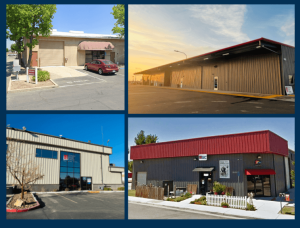
Advanced Career Institute has been in business for over 30 years. We have grown to five campuses that provide students in California and Nevada with the best training as they work toward getting their CDLs and welding certifications. Learn about each of our campuses and find the perfect one for your needs.Visalia CDL Training and Welding Training
The ACI Visalia campus is our oldest campus, having been open since 1993. However, it has recently moved to a new state-of-the-art facility in 2022. The new Visalia campus is located at 1243 N Clancy St, Visalia, CA 9329, and offers students both CDL and welding training courses. The complete list of the courses provided at Visalia is Class A CDL training, Advanced Class A CDL training, CDL refresher training, Agricultural Transportation training, and advanced welding training. The new Visalia campus provides students access to the four-acre truck driving yard and our 5,000 sq. ft. welding lab.Fresno CDL and Welding Training
Our Fresno campus, located at 2953 S. East Avenue, Fresno, California 93725, was the second campus we opened in July 2000. When we opened our Fresno campus, welding also joined our programs list. As of 2022, the programs offered at our Fresno campus are Class A CDL training, Advanced Class A CDL training, Agricultural Transportation training, and Advanced Welding training.Merced CDL Training
Due to increased student demand, we opened our Merced campus in March of 2015. Our Merced campus is at 1741 Ashby Rd, Suite B, Merced, CA 95348. The Merced campus offers Class A CDL training, Advanced Class A CDL training, CDL refresher training, and Agricultural Transportation training. Merced helps us reach all students in the Valley and give them the best Commercial truck driver training possible.Bakersfield CDL and Welding Training
ACI Bakersfield is one of three campuses offering both CDL training and welding courses. Our Bakersfield campus is located at 2925 Mosasco St., Unit B, Bakersfield, CA 93312, and has been open since 2018. Our CDL training programs include our Class A CDL training, Agriculture Transportation training, Advanced Class A CDL training, and a CDL refresher course. Our Bakersfield campus also offers ACI’s advanced welding training, our 38-week welding certification course.Las Vegas CDL Training
In 2020 we opened the ACI Las Vegas campus using our over 30 years of knowledge in the trucking industry to provide the best training in the North Las Vegas area for our students. We opened our Las Vegas campus at 4020 E Lone Mountain Rd Suite 100 North Las Vegas, NV 89081; it became our fifth campus. The Las Vegas campus offers Class A CDL training, Advanced Class A CDL training, CDL refresher training, and Agricultural Transportation training. Students that attend our Las Vegas will have access to our four-acre paved training yard and new upgraded classrooms.Come to ACI to be trained by the best staff in California! Contact us today to reserve your seat at one of our campuses.
-
Is Welding the Right Career for You?
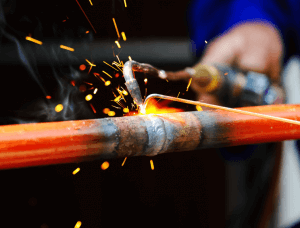
Welding is exciting. There’s nothing quite as exhilarating as powering on your torch and watching the sparks fly ablaze while you meld together whatever material is in front of you. Eventually, the individual pieces of metal you began with are now a single product, conceived by the influence of your own hands. It’s surely a satisfying process to complete; there’s no wonder why many seek to turn the craft into a professional career. With proper training, anyone can pick up the skills needed to do just that. But how do you know if the trade is the right fit for you? What makes a good welder? Here are a few insights into what it takes to find success in welding.Welding Might Be the Career for you if…
- You prefer physical work over sitting at a desk: Welding is a hands-on craft that is very much about physical labor. There’s a good chance you’ll never get to sit back in a cushy desk chair while on the job.
- You don’t want to attend college or university but still want a fulfilling career: A 4-year college degree isn't usually a requirement for finding success in welding. Additionally, welding certifications tend to be more affordable and quicker to complete. You can finish ACI’s Advanced Welding Course in just 38 weeks!
- Job sustainability is important to you: Welding jobs are always in demand. In fact, the manufacturing of more than 50% of U.S. products involves welding. This line of work is unlikely to go away any time soon, so professionals can remain confident in their ability to find their next project.
- An outdoor work environment appeals to you: Many jobs will require working in outdoor conditions. Hence, you should be sure you can handle the sun and fresh air all day if you’re considering this profession.
- You are interested in different industries: There are various opportunities for those who complete their welding training. A few industries you could work in include Construction, Automotive, Electric, Aerospace, Agriculture, Manufacturing, and many others.
- You like to travel: Welders are sought after all around the world. Furthermore, welding practices stay fairly consistent across borders, so travel enthusiasts can easily take on stints while on the go.
- You don’t mind working for long periods: Oftentimes, projects can keep you on your feet for hours at a time. Both mental and physical endurance is important for welders to perform at their best.
Characteristics of a Successful Welder
Anyone can become a professional welder with the right training and work ethic, but some traits can help aspiring tradespeople get farther ahead in their field:- Detail-oriented
- Self-motivated
- Knowledgeable in a variety of skills
- Has a solid understanding of the tools and equipment used on the job
- Keeps up to date on the latest industry news
- Puts safety first
- Capable of problem-solving
- Knows how to read blueprints and understands the role of welding in a project
- Understands the math and science behind their craft
- Has good interpersonal skills
If you are ready to start your welding career, contact us today!